Your Custom Text Here

Blokes mental health. Something must change.
Something must change. The statistics on blokes mental health are alarming.
Mental health, abuse and suicide rates are extreme. Addictions and dependencies are more common than ever.
In the 21st century we are looking for new ways to help cope with modern day pressures, expectations and temptations.
The thing is, guys often don’t want to talk to a therapist, psychologist, mate or partner. They just prefer to be fixed, like rebooting a PC or changing a spark plug. Simple. No fuss.
Never before in history have we faced such a barrage of information, expectations, pitfalls and stresses. Our minds were not built for this experience, and for most of us, our parents and teachers didn’t equip us to mentally and emotionally manage this 21st century world.

Something Must Change. The Statistics on Mental Health Are Real.
Mental health, abuse and suicide rates are far too high. Addictions and dependencies are more common than ever.
Men average six out of every eight suicides every day in Australia.
The suicide rate among young tradesmen is three times higher than for other men.
On average, one in eight men will experience depression at some stage of their lives.
On average, one in five men will experience anxiety at some stage of their lives.
Addictions and dependencies are more common than ever.
Some even say we are experiencing an unhappiness epidemic.
In the 21st century we are looking for new ways to help cope with modern day pressures, expectations and temptations.
We are realising that traditional solutions and support structures, on their own, just aren’t cutting it anymore. We are looking for new ways to help cope with modern day pressures.
The thing is, guys often don’t want to talk to a therapist, psychologist, mate or partner. They just prefer to be fixed, like rebooting a PC or changing a spark plug. Simple. No fuss.
The great thing about how Authentic State approaches healing and therapy is that this is not a big ‘talk therapy’.
Sure, talking has its place, but I use evidence-based healing, psychological know-how and transformational coaching to connect blokes and women with their greatest and most authentic state.
With a combination of traditional therapy and complementary treatment/natural therapy, I help people who are feeling overwhelmed, anxious, addicted, stuck or experiencing other limitations, to find their way to feeling connected and whole again.
Read more about how I help blokes move forward in mental health.


Eco-anxiety; how to manage climate stress
Depression, obsessive thinking, panic attacks, irritability, breathlessness—is how environmental challenges are affecting some of us.
‘Eco-anxiety’ (or 'ecological grief') can be described as feeling distressed about the state of the planet, and its future.
The World Health Organisation regards climate change as “the greatest threat to global health in the 21st Century” . Whilst the Australian Medical Association declared climate change a health emergency, as do a growing list of medical bodies around the world (3). The impact of climate change on our mental health is very real.

Earlier this year, I was feeling sad. My usual joys weren’t lifting my spirits. I didn't understand why, until it dawned on me.
I had been too deeply plugged into digital news and rotating images of natural disasters melting ice caps pollution plastics extinctions sufferings cruelty greed unethical politics poor leadership… I couldn't see the world around me was taking it seriously.
It wasn't until environmental activist, Greta Thunburg, shared my view waking the masses with her actions and messages about our climate emergency; "I don’t want you to be hopeful, I want you to panic"(1).
That was it. With Thunberg's and other worldwide student protests, the cry for urgent change finally hit mainstream culture (PRAISE the young!).

Be alarmed. Not Afraid.
We are right to feel alarmed. We (you, me, our leaders and policy makers) need to be aware, think and act on climate change. We also need to think about how we ‘place’ these thoughts or issues in our minds and lives, according to how much power we have.
Depression, obsessive thinking, panic attacks, irritability, breathlessness—is how environmental challenges are affecting some of us.
‘Eco-anxiety’ (or 'ecological grief') can be described as feeling distressed about the state of the planet, and its future.**
The World Health Organisation regards climate change as “the greatest threat to global health in the 21st Century” (2). Whilst the Australian Medical Association declared climate change a health emergency, as do a growing list of medical bodies around the world (3). The impact of climate change on our mental health is very real.

What to do with eco-anxiety?
Situations that need radical change, require strong leadership; paired with openness and commitment to new ideas and trying new things.
In terms of eco-anxiety, this includes how you lead yourself. By this, I mean your self-care. Your. Self. Care.
This is caring enough about yourself to get enough rest, to eat and drink well, and to move your body. This decreases your anxiety. It helps you to respond better to the world you live according to your values and ethics. You have greater energy and clarity to align with your best and most authentic state.
Take a digital detox. Your Facebook or Insta account won't miss you for a week or two, and your mental health will perk up. Clear your mind. Refill it with positive things and gratitude for the actions for the things that have been done to help (like these six stories about climate change). Talk to like-minded people about the positive things we can do. Be kind to yourself. Know that change takes time. No one is perfect.
Eco-therapists encourage people to take action on environmental issues.
Start with one thing. Small actions help. Perhaps create a new positive habit, like turning off lights (yes mum), or refusing single use single-use plastics like plastic straws and cutlery.

The Climate Council Climate Action Toolkit offers information on how you can help climate change.
The United Nations say a plant based diet can help climate change (4), so perhaps explore eating less meat.
Climate change also needs strong leadership in our Governments, families, workplaces, businesses, schools, social and recreation spheres (congrats to artists like Billie Eilish and Coldplay who are leading change in the entertainment business).
Mums and dads need to be informed. It’s no longer enough to say “it will be OK”. Kids need to hear and see authentic commitment to sustainability in their families.
Children and young adults can join The Australian Youth Climate Coalition (AYCC) or School Strike 4 Climate on Facebook.
So what can you do about eco-anxiety? Take action. But be gentle with yourself. Do what works for you. Be it big or small. Take control back into your hands.
And what did I do? In August 2019 I created Authentic State—A Greater You. A Greater World™. I made a commitment to sharing tools and information to help others lean into the best versions of themselves and claim their power; to create a greater you, and a greater world.

If this article has raised any issues for you, get in touch with Authentic State, or call Lifeline crisis support 24/7 on 13 11 14.
**Symptoms of eco-anxiety can overlap with symptoms of other types of anxiety; however at the time of this article publication there is no specific diagnosis for eco-anxiety included in the Diagnostic and Statistical Manual of Mental Disorders (DSM-5).
References:
1. Thunberg, Greta (25 January 2019). "I want you to panic: 16-year-old issues climate warning at Davos". Guardian News. Event occurs at 2:23. Archived from the original on 17 September 2019. Accessed 20 November 2019, <https://www.youtube.com/watch?v=RjsLm5PCdVQ&t=2m23s>
2. Good Therapy, 2018. accessed 29 November 2019, <https://www.goodtherapy.org/blog/psychpedia/eco-anxiety>
3. Australian Medical Association, 2019, accessed 29 November 2019, <https://ama.com.au/media/climate-change-health-emergency>
4. BBC News, 2019, accessed 29 November 2019, <https://www.bbc.com/news/science-environment-49238749>
Image Credits: NASA , Christian Erfurt, Markus Spiske, Meghan Rodgers

It's OK to be selfish
Unless you’re in the 1% of the population that thinks like a psychopath, sometimes what's good for you, is the best for others. It might sound crazy but it’s true. Putting yourself first, can be the best service you can do for your kids, partner, boss and others who lean on you.
The next time you want to do something that makes you feel good, whole, or points you towards the path that you really want in life, think; it Selfish or Self-full?
‘Self-full’ is allowing yourself to fill your own energetic and creative cup first. By filling your own energetic tank and connecting to yourself you are inviting your authentic self to be present. Your energy and inspiration then over-spills into the lives of others.

How many people do you know are running on empty? Exhausted, snapping at their nearest and dearest, picking up viruses, or putting on a brave public face—getting home at the end of the day to tune-out in front of the telly, self-medicating with a drink or ‘two’… or any other common coping strategies.
Unless you’re in the 1% of the population that thinks like a psychopath [1], sometimes what's good for you, is the best for others. It might sound crazy but it’s true. Putting yourself first, can be the best service you can do for your kids, partner, boss and others who lean on you.
The next time you want to do something that makes you feel good, whole, or points you towards the path that you really want in life, think; it Selfish or Self-full?
‘Self-full’ is allowing yourself to fill your own energetic and creative cup first. By filling your own energetic tank and connecting to yourself you are inviting your authentic self to be present. Your energy and inspiration then over-spills into the lives of others. Rather than running on empty, you have an authentic capacity to love, attend to, and serve others; those that you love, your family, workplace and the world around you.
Being Self-full requires boundaries. Saying no, and sometimes re-teaching the people around you what you will and won't do. Of course, these changes are most successful when expressed firmly, with sensitivity, and with a sense of compassion for yourself, and others. Consistency is the key here.
Only you can give yourself true permission to live your greatest life.
Every now and then, when your energetic and inspiration cup needs filling, be a bit Self-full; take time out for you. Prioritise putting yourself first every now and then, and watch what happens to your frame of mind, energy levels and relationships.

No content on this site, should ever be used as a substitute for direct medical advice from your doctor or other qualified clinician.
How to be happy
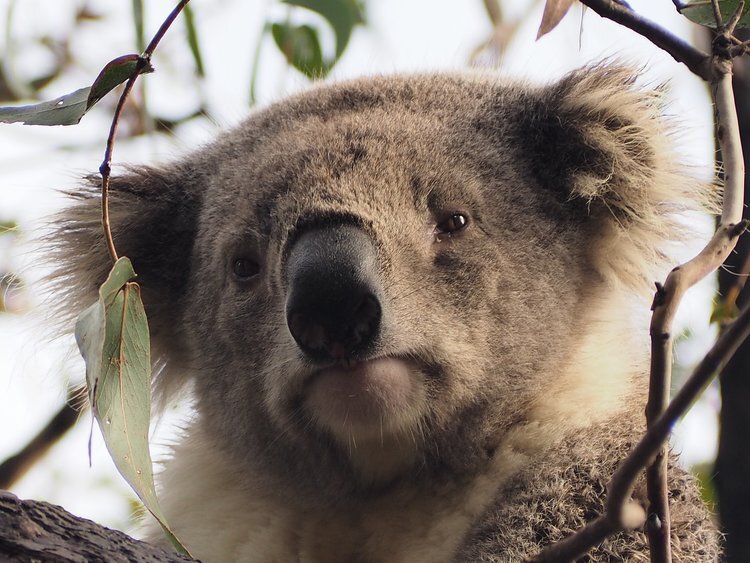
In the past week it’s being reported that Australia has reduced koalas populations from millions, to 20,000. And that pretty big country towns in NSW are at ‘zero water’; that means “the fish will die and we won't be able to drink," ABC News reported. Crikey... That makes me sad.
It certainly is a challenge to keep… lets say... on top of things. There's SO much information coming through. And a lot of this ‘content’ isn't great.
Statistics show ‘How can I get happy’ is one of the most popular questions on Google with more than 6 billion search results”. Wow! If you’re a little, or a lot unhappy, you’re not alone.

In the past week it’s being reported that Australia has reduced koalas populations from millions, to 20,000. And that pretty big country towns in NSW are at ‘zero water’; that means “the fish will die and we won't be able to drink," ABC News reported (1). Crikey... That makes me sad.
It certainly is a challenge to keep… lets say... on top of things. There's SO much information coming through. And a lot of this ‘content’ isn't great.
And, there’s mornings, work and colleagues that can be challenging. And family relationships, bills, showing up, again challenging. And on top of all this. The world is changing. Rapidly. We know that change is stressful for everyone—that’s science. For most of us anyway (the super heroes among us who have mastered adaptability are excluded here).
The unhappiness epidemic
Statistics show ‘How can I get happy’ is one of the most popular questions on Google with more than 6 billion search results” (2). Wow! If you’re a little, or a lot unhappy, you’re not alone.
Have you heard of the term 'unhappiness epidemic'? Google Trends (3) shows that the online search for ‘how to be happy’ is increasing. See for yourself below.

‘How to be happy’ Google Trend report
So what to do with all this?
What do we do? We do the work that keeps us afloat. I think a lot of us know what we can do to help ourselves to be happy; like being kinder to ourselves and to others; not being too hard on ourselves, or others; trying not to judge ourselves critically; being patient; having more discipline; being more ‘present’… And by looking to others for support, this can mean asking someone for help, a small favor that makes life easier, or reaching out for professional help.
The world has struggles and disappointments. Fact. Let’s not be defeated, but driven.
A little motto (or truism) I like is ‘From little things, big things grow’. So, what’s that small thing that you acknowledge, start or give a go today? What will you do today that keeps you connected to feelings, thoughts and memories that keep you afloat? What little golden nugget of self care, pat on the back, a rainbow for your day, or just a “why the f?!k not” will you do? Go on, do that good feeling thing. If it feels good, and does not hurt anyone, why not!
A little effort goes a long way. You won’t save the world today, but you might feel stronger and more connected to it.
Will you spend time with someone who ‘gets you’?
Push your personal boundaries, and challenge yourself?
Speak up and use your voice?
Or do something for a cause you believe in?
Take yourself on a date-for-one?
Write in your gratitude journal?
Meditate? Or just sit still for 2 minutes (do nothing but be aware of your breathe, body and surroundings?
What will you do....? Those who dare win.
1: https://www.abc.net.au/news/2019-07-14/day-zero-approaching-as-towns-run-out-of-water/112714
2: https://www.forbes.com/sites/zackfriedman/2019/08/13/how-to-be-happy/#3a5fbf1413f9
3. Google Trends shows how frequently a given search term is entered into Google’s search engine relative to the site’s total search volume over a given period of time.
Image Credit: F Hocking.